Most AI fails in the layer
between the model and the user.
That's exactly where I work.
For organisations where AI is present but the integration is broken.
Start a conversationAI didn't fail your user.
The integration did.
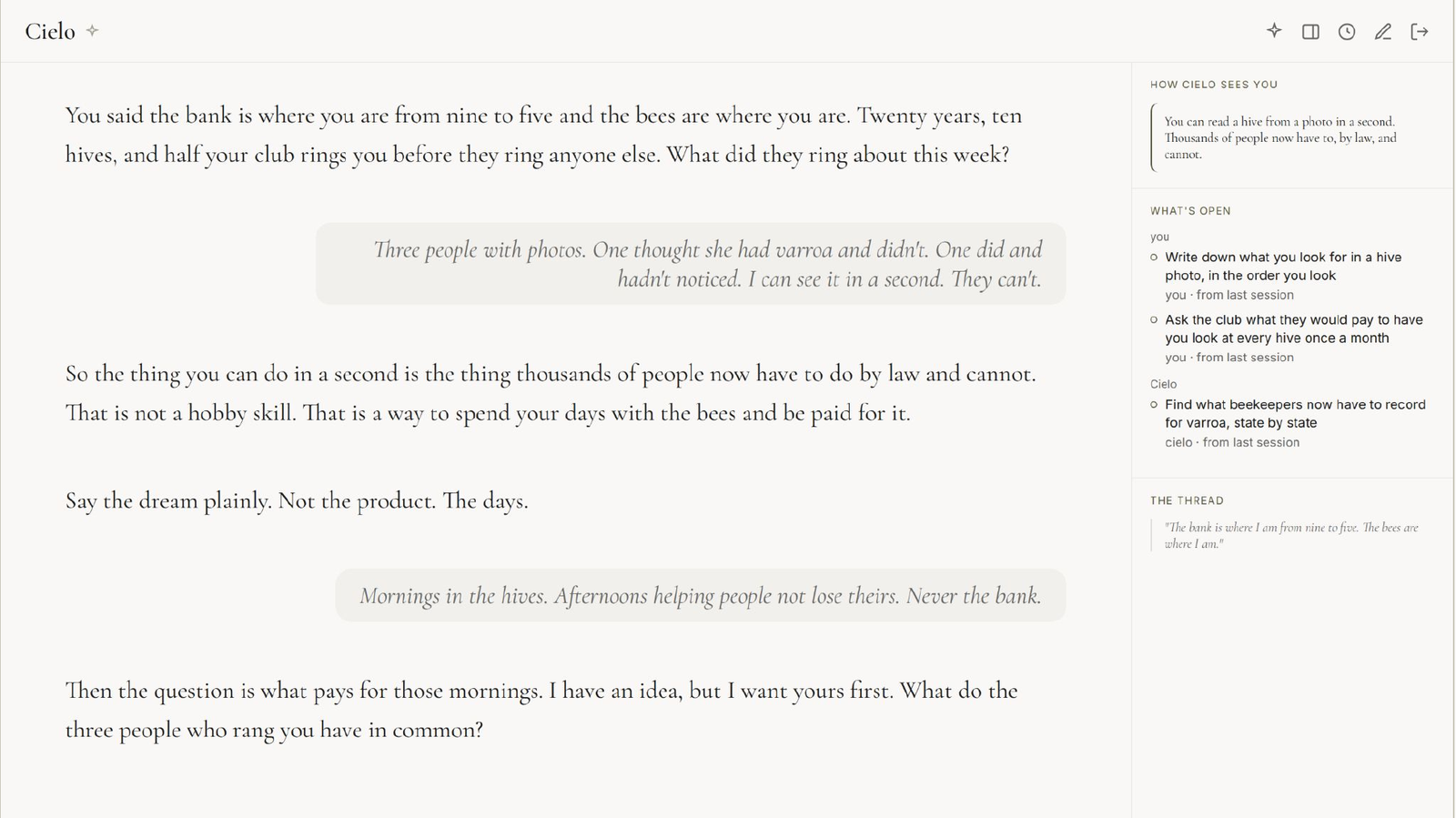
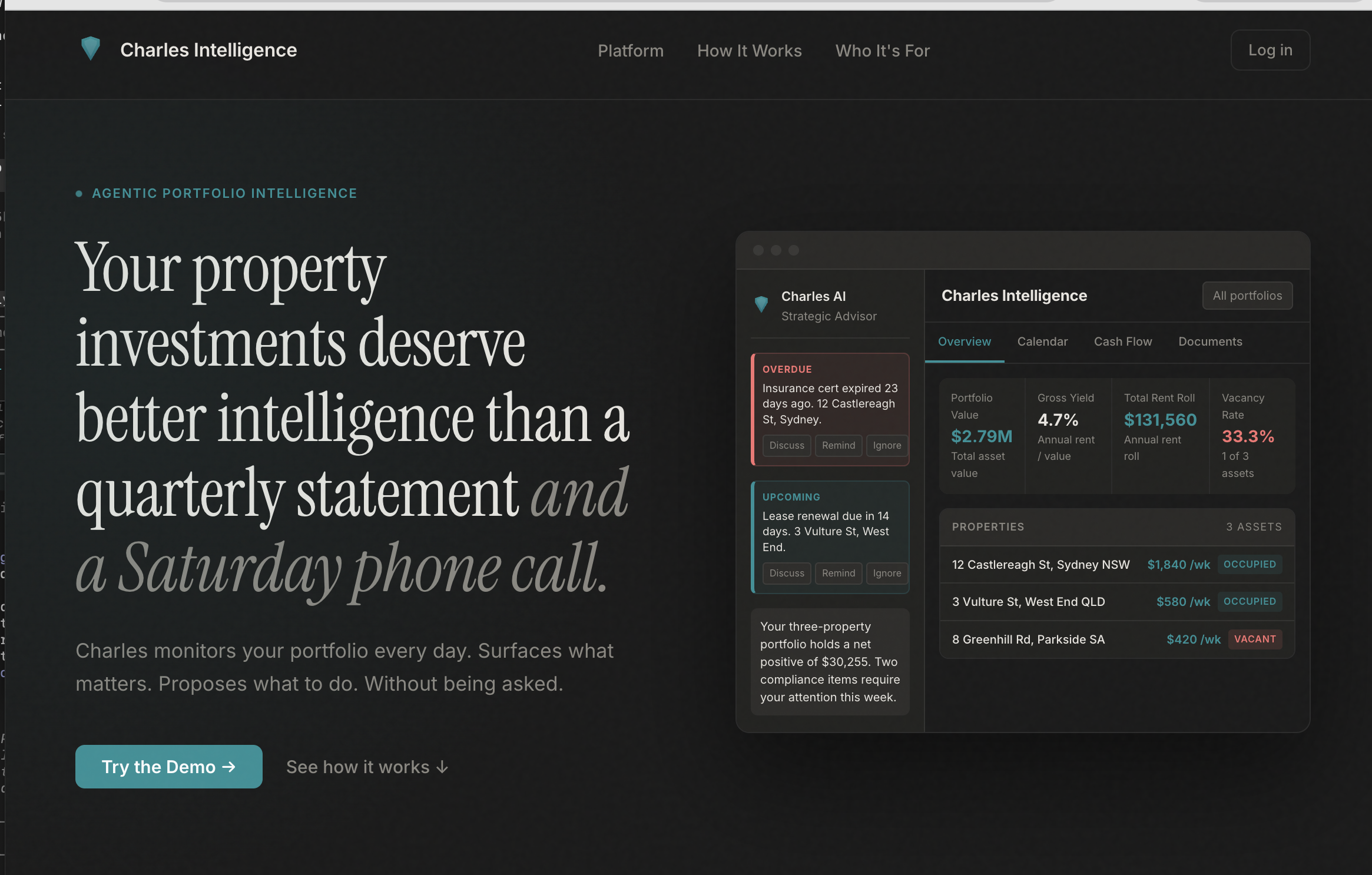
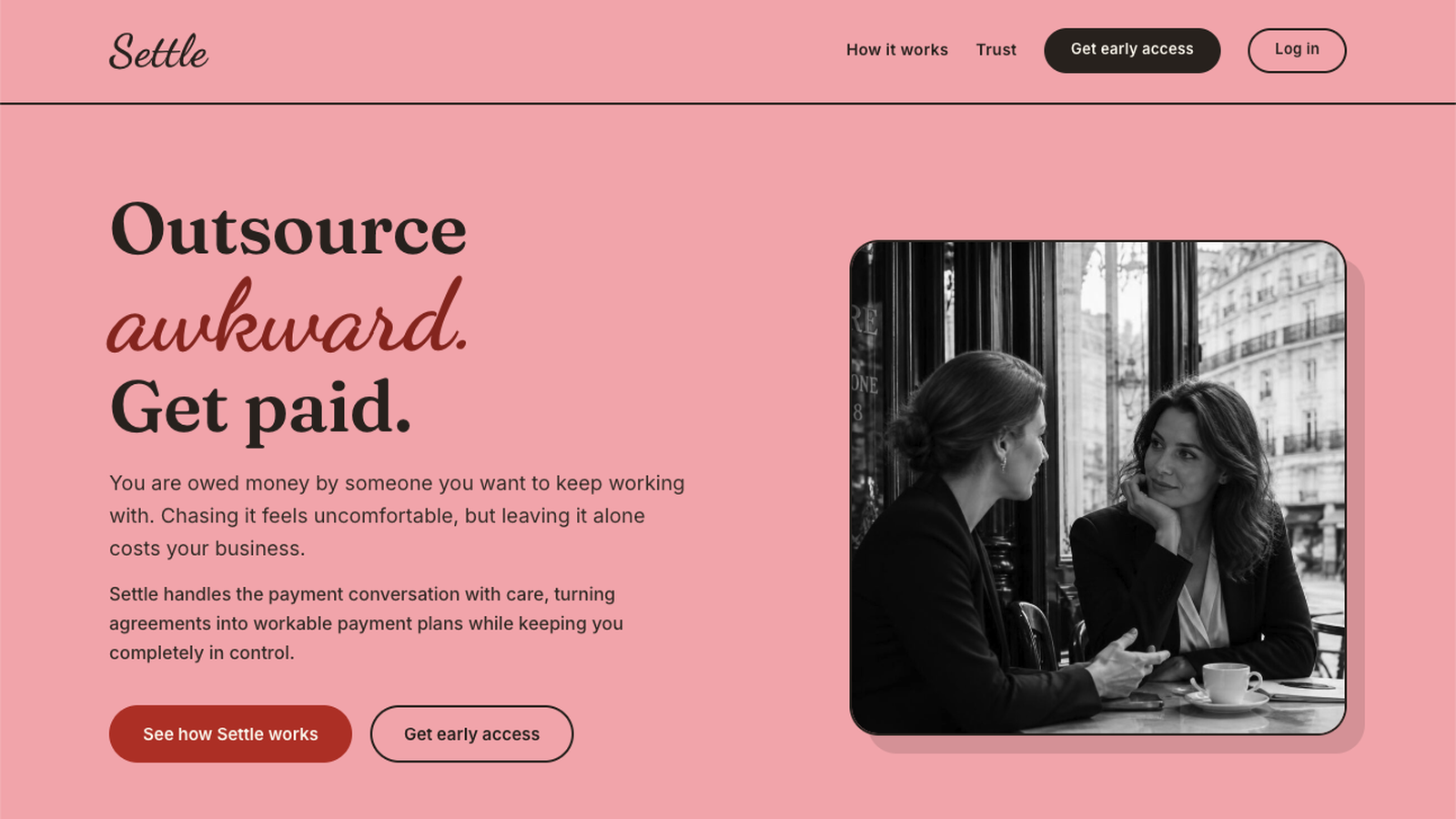
Organisations now have access to capable models but haven't designed what sits between the model and the people using it: context, character, workflow, and human judgement. The result is AI that is present but not useful.
For internal teams
I configure AI tools around real roles, workflows, and judgement points so your team actually uses them. Most teams are one focused engagement away from the difference between present and useful.
For founders building AI products
I design character, behaviour, and trust patterns so the product feels intentional rather than generic. This is the work most product teams skip and every user notices.
For both
I build the human gate: the deliberate checkpoint that makes AI output something your users will review, trust, and act on.
I treat context as infrastructure. Most consultants hand over prompt templates. I create structured context that turn AI into a configured colleague, connect it to primary sources, and design the human judgement gate that protects the layer everyone else automates past.
I don't just advise on AI products. I build them myself.
- Embedded in current AI engagements across internal enablement and product architecture
- Building multiple AI products, informing real-world trust and workflow design
- Working from a proprietary methodology with defined outputs and handover artefacts
- Selective capacity to be hands-on in an engagement
I will walk you through how I work before you commit to anything.
Built AI before GenAI. Spent years at the intersection of technology, commercial strategy, and storytelling. Learned the last part at AFTRS. Also worked in government relations, which taught me more about how humans resist change than anything else.
GAICD · BCom/Econ, Melbourne University · Based in Sydney